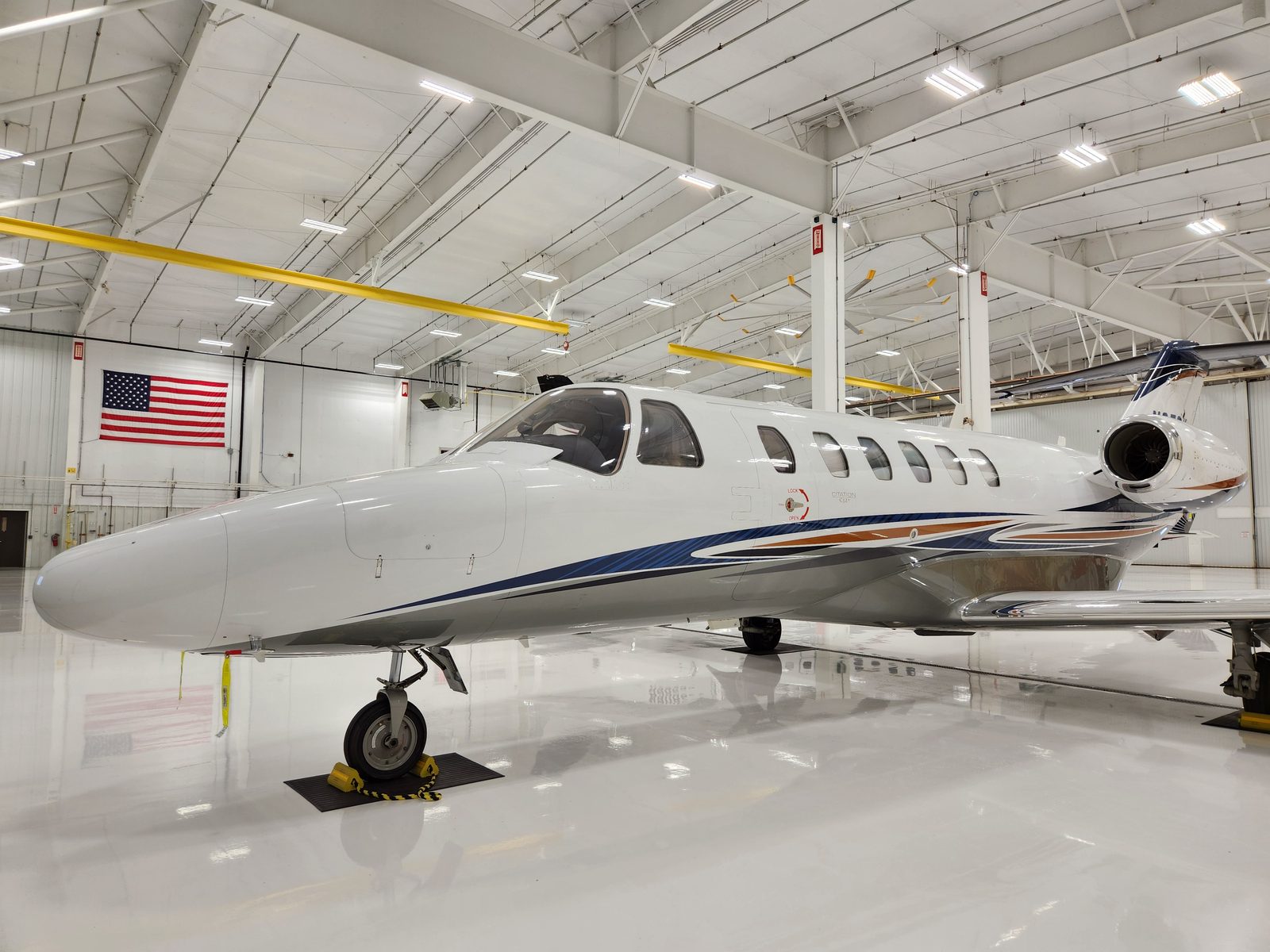
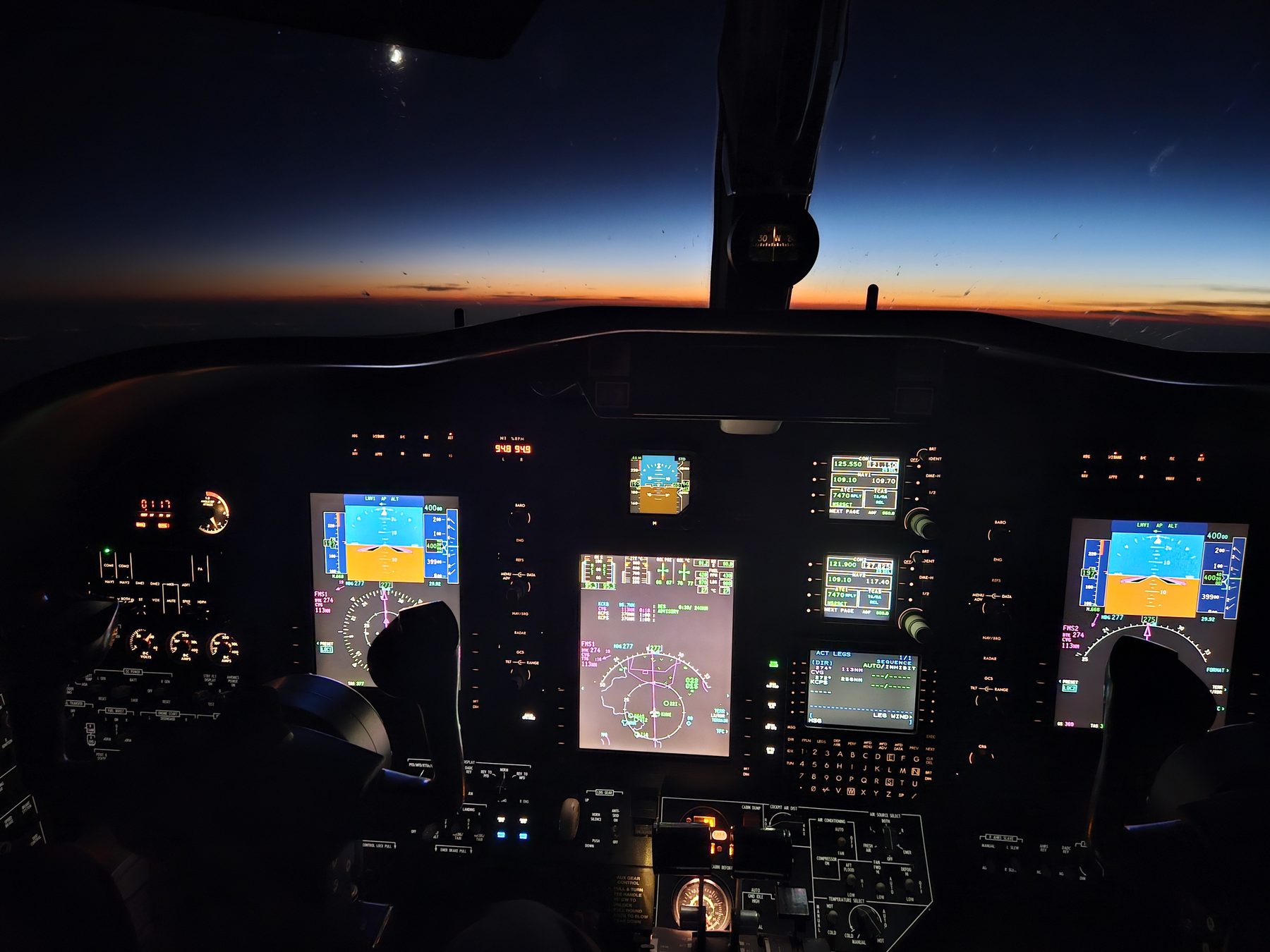
What a Citation really costs to own.
These broad planning ranges are a useful starting point. The real budget depends on the aircraft model, engine and maintenance programs, crew structure, current maintenance status, annual utilization, and how you actually fly. That is the operating picture we help owners build and understand.
Every aircraft budget comes down to fixed costs, flight costs, and maintenance.
Understanding the difference is what turns a rough ownership estimate into a realistic annual budget.
The cost of keeping the aircraft ready
These expenses exist whether the aircraft flies 20 hours or 200: hangar, insurance, crew salaries or retainers, recurrent training, management, maintenance tracking, navigation databases, subscriptions, and other calendar-based costs.
Fixed costs are also why annual utilization matters. The more the aircraft flies, the more hours there are to spread those expenses across.
The cost of each trip
Fuel, engine-program accruals, hourly airframe programs, landing and handling fees, catering, and crew travel generally increase with aircraft use.
These costs are driven by the mission itself: trip length, fuel price, airport fees, payload, cruise altitude, and how efficiently the aircraft is operated.
The cost of keeping the aircraft airworthy
Maintenance includes scheduled inspections, calendar and hourly-driven events, tires, brakes, batteries, components, discrepancies, and unexpected repairs.
Some maintenance can be forecast closely. Some cannot. The annual number depends heavily on the aircraft's condition, where it sits in its inspection cycle, program coverage, shop selection, and how much it flies. A strong pre-purchase inspection and disciplined maintenance planning reduce surprises, but they never eliminate them.
The Citation line, by the numbers.
These ranges are intended as a practical starting point. Direct flight cost below includes estimated fuel and engine-program expense only. Maintenance, crew, hangar, insurance, management, subscriptions, and other fixed expenses are budgeted separately.
| Aircraft | Acquisition Range | Typical Fuel Burn | Engine Program | Fuel + Engines / Hour |
|---|---|---|---|---|
| Citation Mustang | $1.7M – $2.6M | ~100 GPH | ~$550/hr | $1,050 – $1,250 |
| CitationJet / CJ1 / CJ1+ | $1.4M – $2.8M | ~120–130 GPH | $500 – $550/hr | $1,100 – $1,450 |
| Citation M2 | $3.5M – $5.5M | ~120–130 GPH | $500 – $550/hr | $1,100 – $1,450 |
| Citation CJ2 / CJ2+ | $2.7M – $4.2M | ~140 GPH | $500 – $550/hr | $1,200 – $1,550 |
| Citation CJ3 / CJ3+ | $4.0M – $7.5M | ~150 GPH | $500 – $550/hr | $1,250 – $1,600 |
| Citation CJ4 | $5.5M – $9.5M | ~165–175 GPH | ~$550/hr | $1,375 – $1,775 |
| Citation Excel / XLS / XLS+ | $3.0M – $7.5M | ~210 GPH | ~$800/hr | $1,850 – $2,300 |
Fuel calculations assume a planning range of approximately $5–$7 per gallon. Engine-program rates are broad estimates for both engines and vary by model, program level, contract terms, and annual minimums.
The hourly figures intentionally exclude airframe or parts programs, scheduled and unscheduled maintenance, landing and handling fees, catering, and crew travel. Those expenses belong in the maintenance or trip-specific portions of the budget rather than being blended into a misleading hourly number.
Acquisition price is only the beginning. Aircraft condition, engine and maintenance-program status, inspection timing, avionics, damage history, and pedigree can materially change both the purchase price and the first several years of ownership.
When an owner is seriously considering an aircraft, we build a line-item budget around the specific model, crew structure, anticipated utilization, home airport, and mission profile.
Good management should improve the rest of the ownership equation.
- Maintenance is better planned than discovered. Maintenance does not become cheaper simply because it is managed, but forecasting inspections, following squawks, and coordinating shops early can reduce downtime, avoid rushed decisions, and limit the cost of dealing with problems away from home.
- Fuel should be purchased deliberately. Negotiated base rates, contract-fuel programs, and price comparisons while traveling can produce meaningful savings over walk-up pricing.
- Insurance requires active coordination. We manage pilot qualifications, training records, aircraft information, renewals, and communication with brokers and underwriters. Qualifying professionally flown aircraft may also be eligible for Gateway Jets' fleet policy, subject to underwriting approval.
- Basing decisions matter. Illinois does not impose an annual personal property tax on aircraft, which may be meaningful when comparing St. Louis–area basing options. Sales and use taxes, registration requirements, and ownership-structure considerations still apply, so owners should review their individual circumstances with a qualified tax advisor.
- Records protect the aircraft's history. Complete, organized logbooks and maintenance records support informed decisions throughout ownership and reduce uncertainty when the aircraft is eventually offered for sale.
- The owner's time has value. Scheduling crews, tracking maintenance, comparing fuel, coordinating vendors, and resolving day-to-day issues all require time and attention. Good management keeps those responsibilities from becoming another business for the owner to run.