
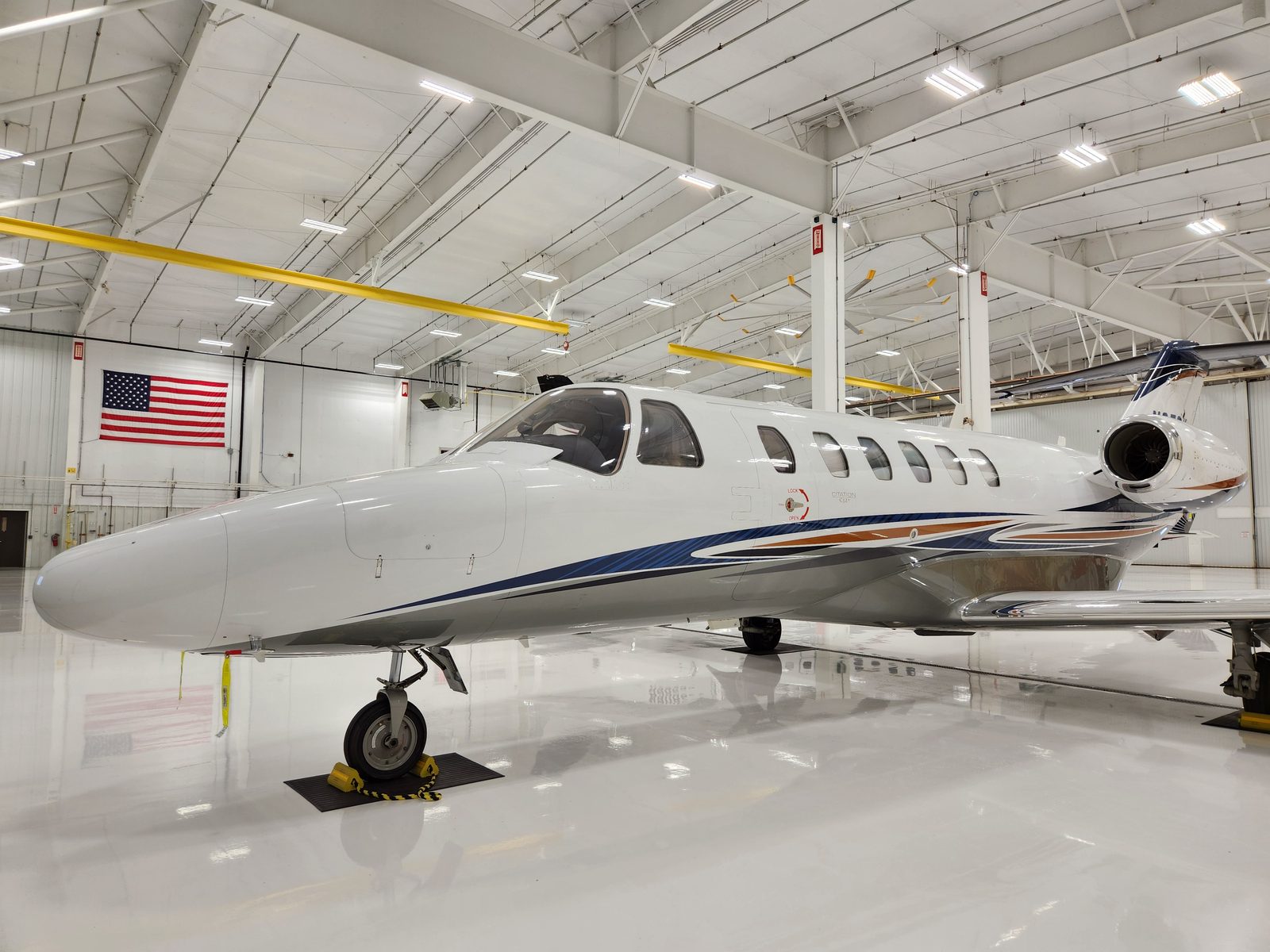
Built in St. Louis, one aircraft at a time.
Since 2013, Gateway Jets has grown through long-term relationships, careful operations, and a simple standard: manage every aircraft with the judgment, attention, and transparency a careful owner should expect.
From one managed aircraft to a regional operation.
Gateway Jets was founded in 2013 on a simple belief: St. Louis aircraft owners should have access to the discipline and capabilities of a professional flight department without having to build one themselves. We began with a single aircraft, a conservative approach to safety, and a commitment to treat every owner's aircraft and operating budget with care.
That approach led to steady, relationship-driven growth. By 2022, Gateway Jets had become one of the largest Citation-focused management operations in the St. Louis region by aircraft managed, serving owners at both St. Louis Downtown Airport and Spirit of St. Louis Airport.
In 2020, we launched Citation Jet Exchange, our Citation-specialist aircraft sales and acquisition company. The two companies give owners continuity through the full ownership cycle — from selecting and acquiring the right aircraft to operating, managing, and eventually selling it.
In 2025, Gateway Jets opened its purpose-built corporate hangar on the west side of St. Louis Downtown Airport. The 13,300-square-foot facility was designed around the practical needs of aircraft owners, passengers, and crews, with private vehicle access, secure indoor parking, dedicated operating spaces, and comfortable owner and crew amenities.
Today, Gateway Jets manages ten aircraft while remaining focused on the same standard that guided the first one: careful operations, direct communication, and personal accountability.
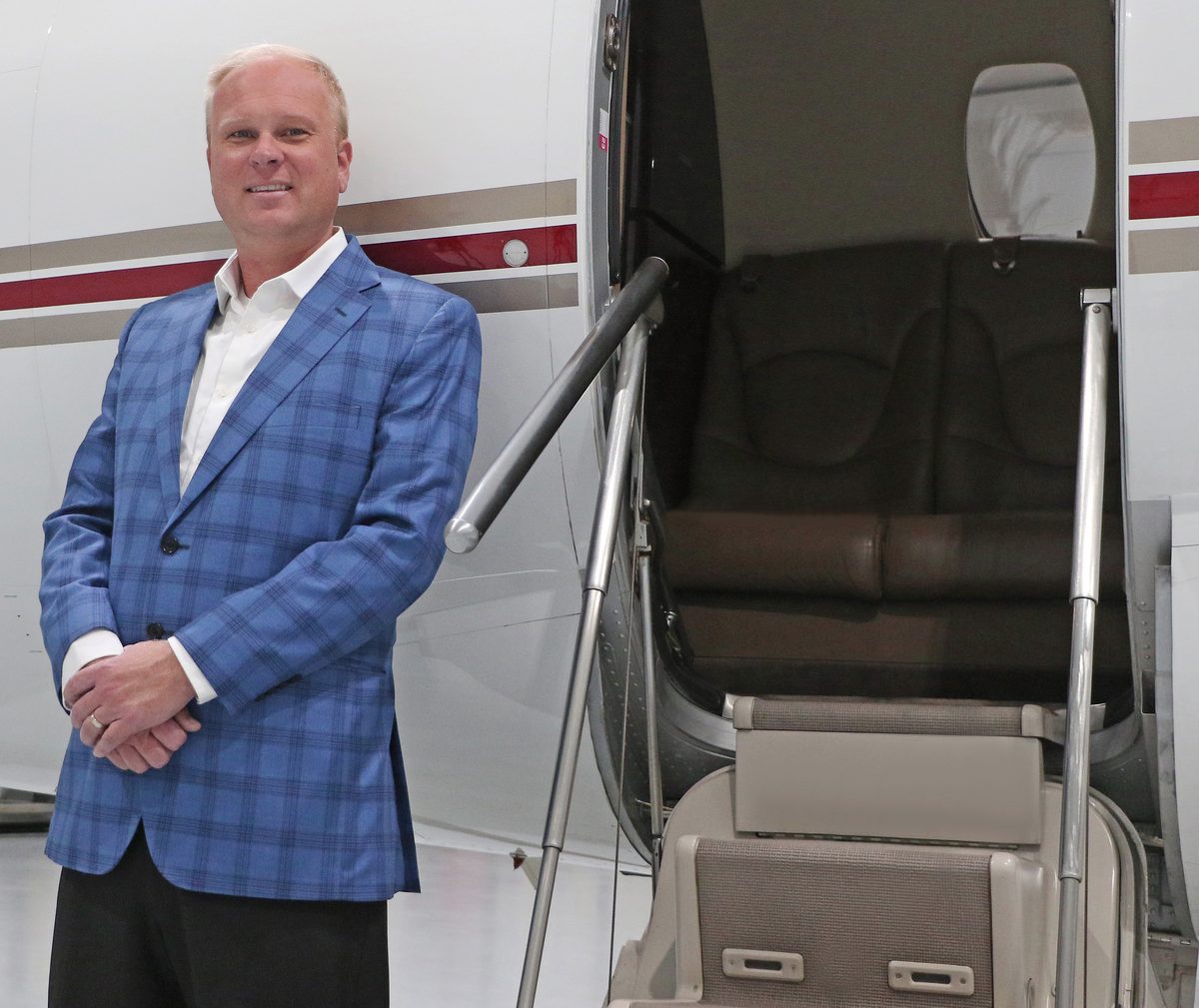
Run by a pilot who still answers his own phone.
Gateway Jets is led by its founder, Corey Tomczak — an ATP with more than 7,000 flight hours, including over 2,200 hours in Citations. He has flown the Citation family since 2008 and remains actively involved in the aircraft, trips, maintenance decisions, and owner relationships behind the operation.
Corey's experience extends well beyond the cockpit. As an aircraft owner himself, he understands both the rewards and the challenges that come with ownership. He has also been involved in more than one hundred aircraft acquisitions and sales, for both his own needs and those of his clients.
That experience has included the satisfaction of owning the right aircraft when everything comes together, along with the inevitable maintenance surprises, difficult buying decisions, and costly lessons that ownership can bring. It also led to the creation of Citation Jet Exchange, Gateway Jets' sister company focused on Citation sales and acquisitions.
For Gateway Jets owners, that firsthand perspective matters. The person responsible for the operation understands the aircraft from the cockpit, the maintenance shop, and the owner's side of the table.
Corey is supported by a team of professional pilots and trusted partners who share the same standard: disciplined aircraft management, delivered with personal accountability.

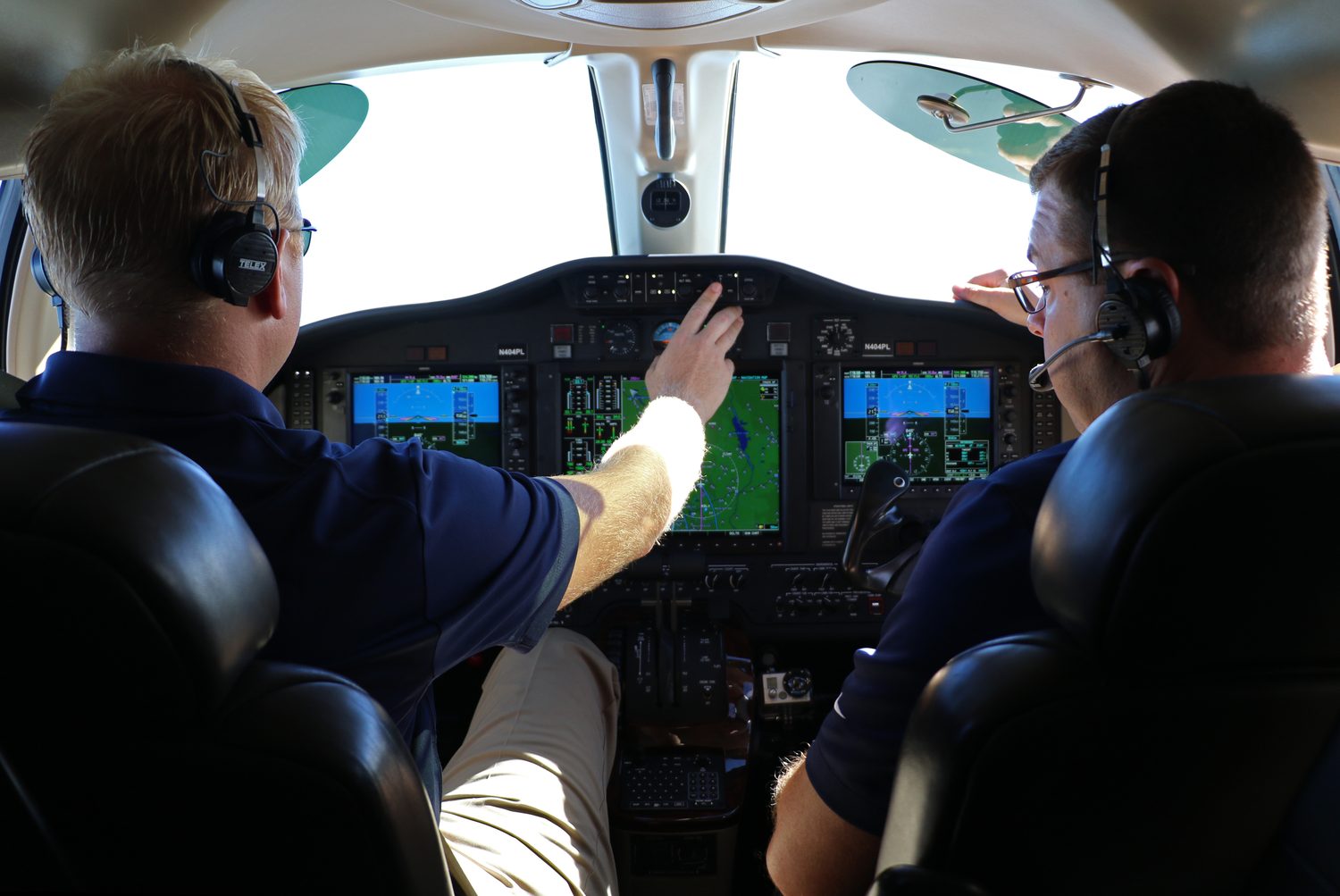
The values are the product.
The owner's interest comes first
Every recommendation, expense, and operational decision is approached as though the owner were standing beside us in the hangar. We do what is right for the aircraft and the owner, even when the easier answer would benefit us.
Clear answers, before surprises
Owners should understand what is being recommended, why it matters, and what it is expected to cost. We communicate directly, explain the options, and do not hide difficult news behind vague language.
Conservative judgment
Recurrent-trained crews, disciplined procedures, thoughtful risk management, and careful maintenance oversight. Schedule pressure never outranks a safe, airworthy operation.
The details owners notice
Familiar crews, remembered preferences, stocked cabins, and arrangements made before the owner arrives. The small details are not extras; they are part of managing the aircraft well.
Flight-department standards, personally delivered
Standardized procedures, consistent training, organized records, and dependable communication — the discipline of a professional flight department without unnecessary layers or bureaucracy.
If any of this sounds like the way you would want your aircraft handled, the next step is a conversation — about the aircraft, how you fly it, and what the operation would need to look like.